Essential Strategies for Exporting Herbal Cosmetics

The herbal cosmetics industry is booming, driven by a growing consumer preference for natural and organic products. As businesses look to expand their reach, exporting herbal cosmetics presents both opportunities and challenges. Understanding the essential strategies for successful export can make a significant difference in navigating this complex landscape.
Understanding the Market
Before diving into exporting, it’s crucial to understand the market dynamics of herbal cosmetics.
Market Research
Conduct thorough market research to identify potential countries for export. Look for:
Consumer Preferences: Understand what consumers in target markets prefer. For instance, in Europe, there is a strong demand for cruelty-free and organic products.
Regulatory Requirements: Different countries have varying regulations regarding cosmetic products. Familiarize yourself with these to avoid legal issues.
Competitive Landscape: Analyze local competitors and their offerings. This can help you position your products effectively.
Target Audience
Identify your target audience in the new market. Are they health-conscious consumers, eco-friendly advocates, or luxury buyers? Tailoring your marketing strategy to meet their needs is essential for success.
Building a Strong Brand
A strong brand can set your herbal cosmetics apart from the competition.
Unique Selling Proposition (USP)
Define your USP. What makes your products unique? This could be the sourcing of ingredients, the formulation process, or the benefits of using your products. For example, if your herbal cosmetics use rare, sustainably sourced ingredients, highlight this in your marketing.
Packaging and Labeling
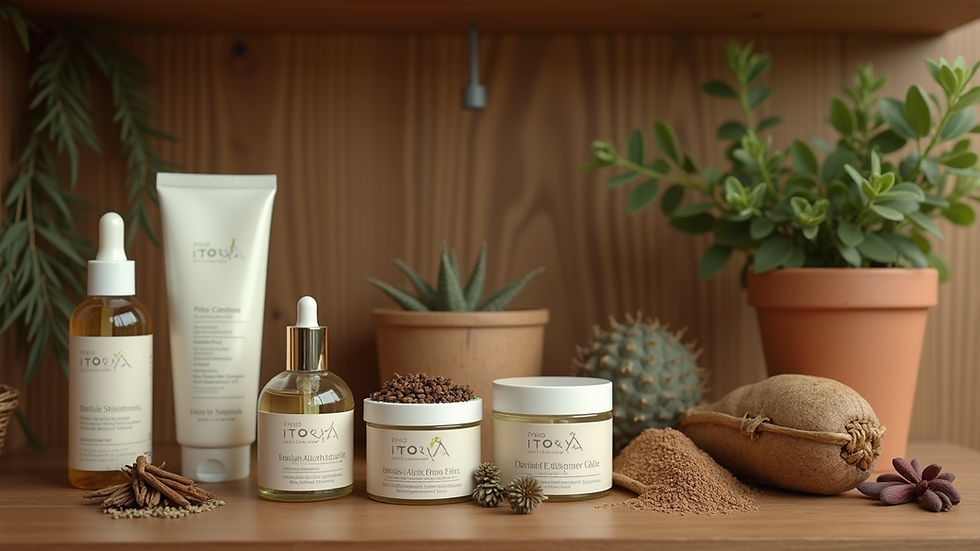
Invest in attractive packaging that reflects your brand’s values. Ensure that your labeling complies with the regulations of the target market. This includes ingredient lists, usage instructions, and any claims made about the product.
Navigating Legal and Regulatory Challenges
Exporting herbal cosmetics involves navigating a maze of legal and regulatory requirements.
Compliance with Regulations
Each country has its own regulations regarding cosmetics. Ensure that your products comply with:
Ingredient Restrictions: Some ingredients may be banned or restricted in certain countries.
Safety Assessments: Many countries require safety assessments for cosmetics before they can be sold.
Labeling Requirements: Ensure that your product labels meet the local language and information requirements.
Import Tariffs and Duties
Research the import tariffs and duties that may apply to your products. Understanding these costs will help you price your products competitively in the new market.
Developing a Distribution Strategy
A well-thought-out distribution strategy is key to reaching your customers effectively.
Choosing Distribution Channels
Decide on the best distribution channels for your products. Options include:
Direct Sales: Selling directly to consumers through e-commerce platforms.
Distributors: Partnering with local distributors who understand the market.
Retail Partnerships: Collaborating with local retailers to stock your products.
Logistics and Supply Chain Management
Efficient logistics are crucial for timely delivery. Consider:
Shipping Methods: Choose reliable shipping methods that balance cost and speed.
Inventory Management: Maintain optimal inventory levels to meet demand without overstocking.
Marketing Your Herbal Cosmetics
Effective marketing strategies can help you penetrate new markets successfully.
Digital Marketing
Leverage digital marketing to reach your audience. This includes:
Social Media: Use platforms like Instagram and Facebook to showcase your products and engage with customers.
Content Marketing: Create informative content about the benefits of herbal cosmetics to attract potential buyers.
Email Marketing: Build an email list to keep customers informed about new products and promotions.
Local Partnerships
Collaborate with local influencers or beauty bloggers to promote your products. Their endorsement can help build trust and credibility in the new market.
Monitoring and Adapting
Once you’ve launched your products in a new market, continuous monitoring is essential.
Collecting Feedback
Gather feedback from customers to understand their experiences with your products. This can provide valuable insights for improvement.
Adapting Strategies
Be prepared to adapt your strategies based on market response. This could involve tweaking your marketing approach, adjusting pricing, or even reformulating products based on customer preferences.
Conclusion
Exporting herbal cosmetics can be a rewarding venture, but it requires careful planning and execution. By understanding the market, building a strong brand, navigating legal challenges, developing a solid distribution strategy, and implementing effective marketing tactics, you can successfully expand your reach.
Take the first step by conducting thorough market research and identifying your unique selling proposition. The world of herbal cosmetics is waiting for your brand to make its mark.


Comments